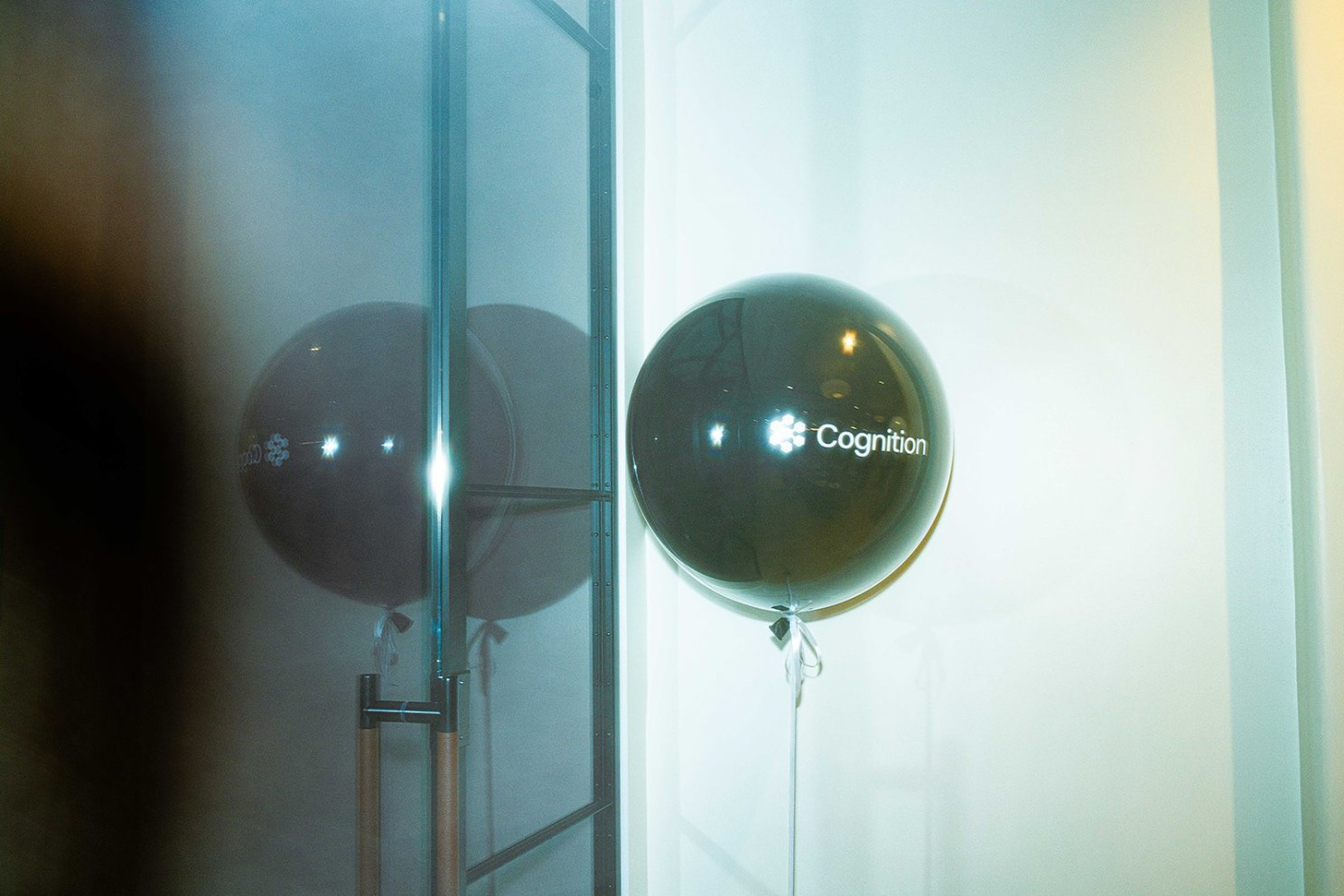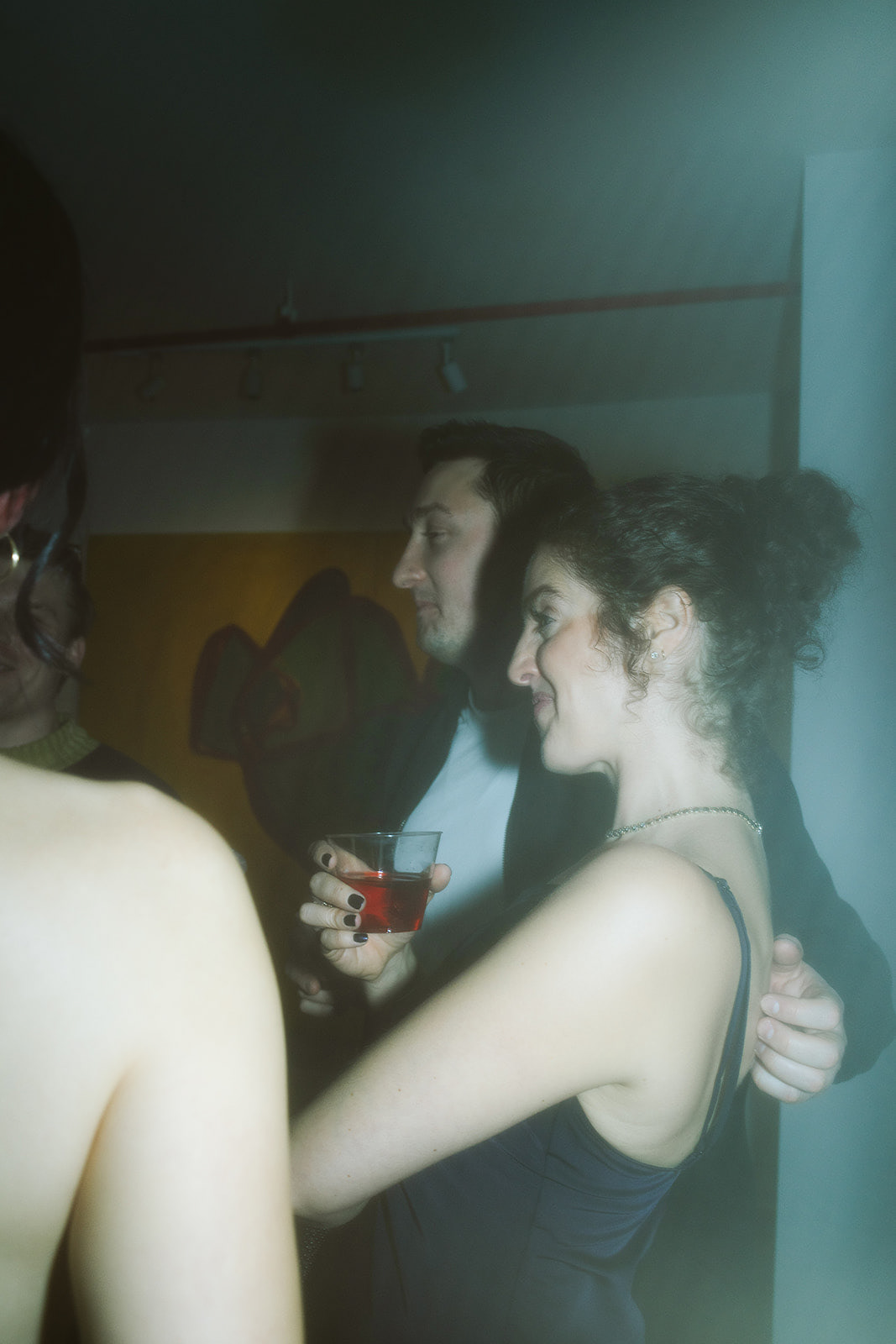
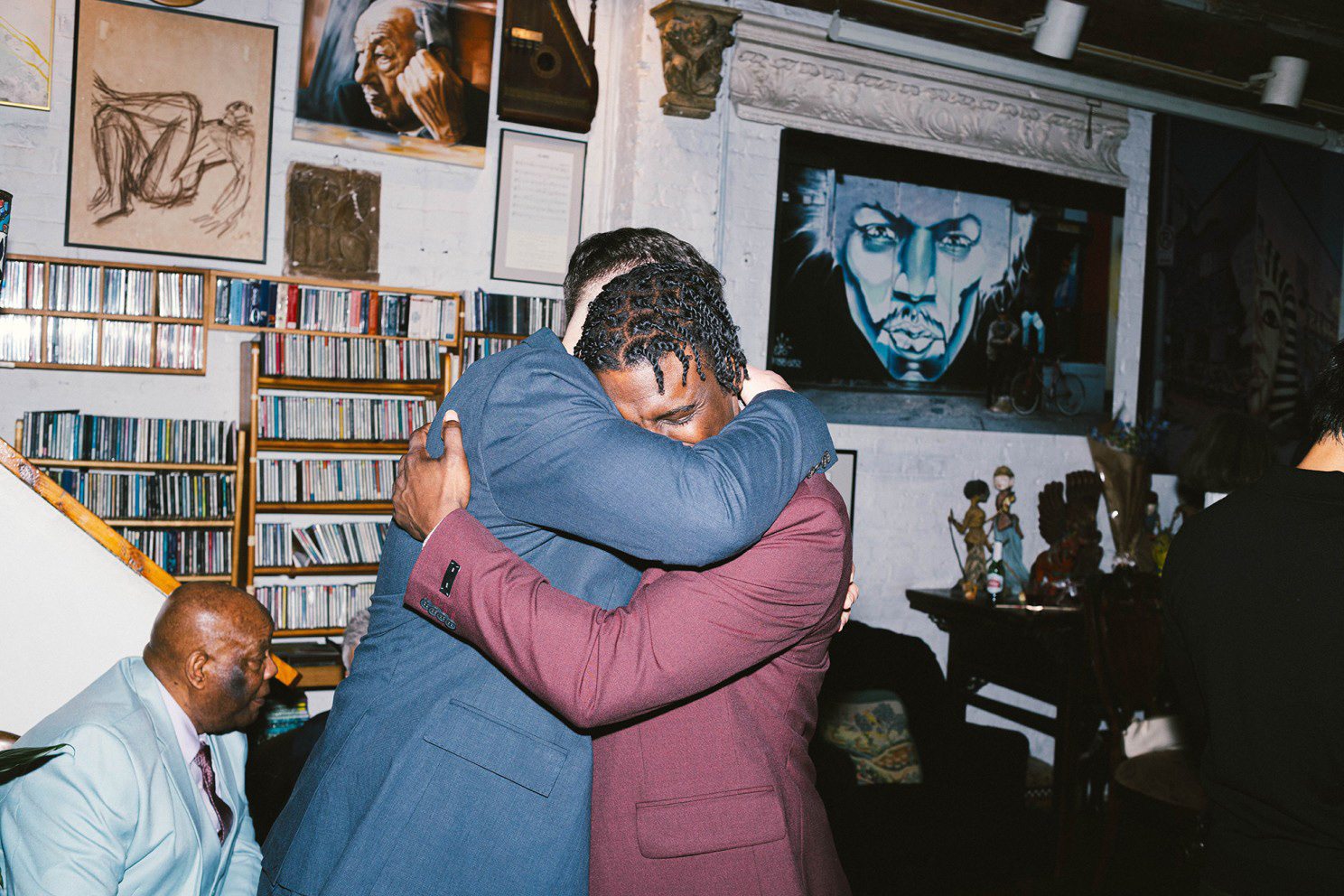
You've been to a party where someone had a disposable camera going around. You know the photos, grainy, warm, slightly imperfect, and somehow more interesting than anything shot on an iPhone that night.
Why? For starters, film responds to light differently than a digital sensor does. The highlights are softer, the grain is organic, the color rendering is warmer and more complex. And for event photography, where you're trying to capture energy, atmosphere, and people looking genuinely good, those properties matter.
Why Film Produces Better Wedding Photos
Event photography lives or dies on atmosphere. A photo can be perfectly exposed and technically flawless and still feel completely sterile. Film tends to solve this problem at the medium level rather than in post-processing. The images have depth and texture built into them before any editing happens. Every image has an element of surprise to it; you don't know what you're getting until the film is developed.
This is why so much of the best party photography you've ever seen was shot on film -- or was shot digitally by someone working very hard to approximate film. The editorial quality that makes an event photo feel like it belongs in Vogue rather than a vendor recap comes from somewhere. Usually it comes from the actual medium.
New York Specifically
The visual culture of New York nightlife was built on film photography. The images that defined this city after dark -- every iconic party, every downtown scene worth remembering -- were shot on film.
Film renders the ambient light, the energy, the faces in a way that feels right for New York. Digital can document the same scenes. Film tends to capture what they actually felt like!
If you're getting married in New York, whether that's a ceremony at Central Park, a reception in the West Village, a rooftop in Brooklyn, or a ballroom in Midtown, there's something about film that makes the city feel like the city rather than a backdrop.
The Skin Tone Argument
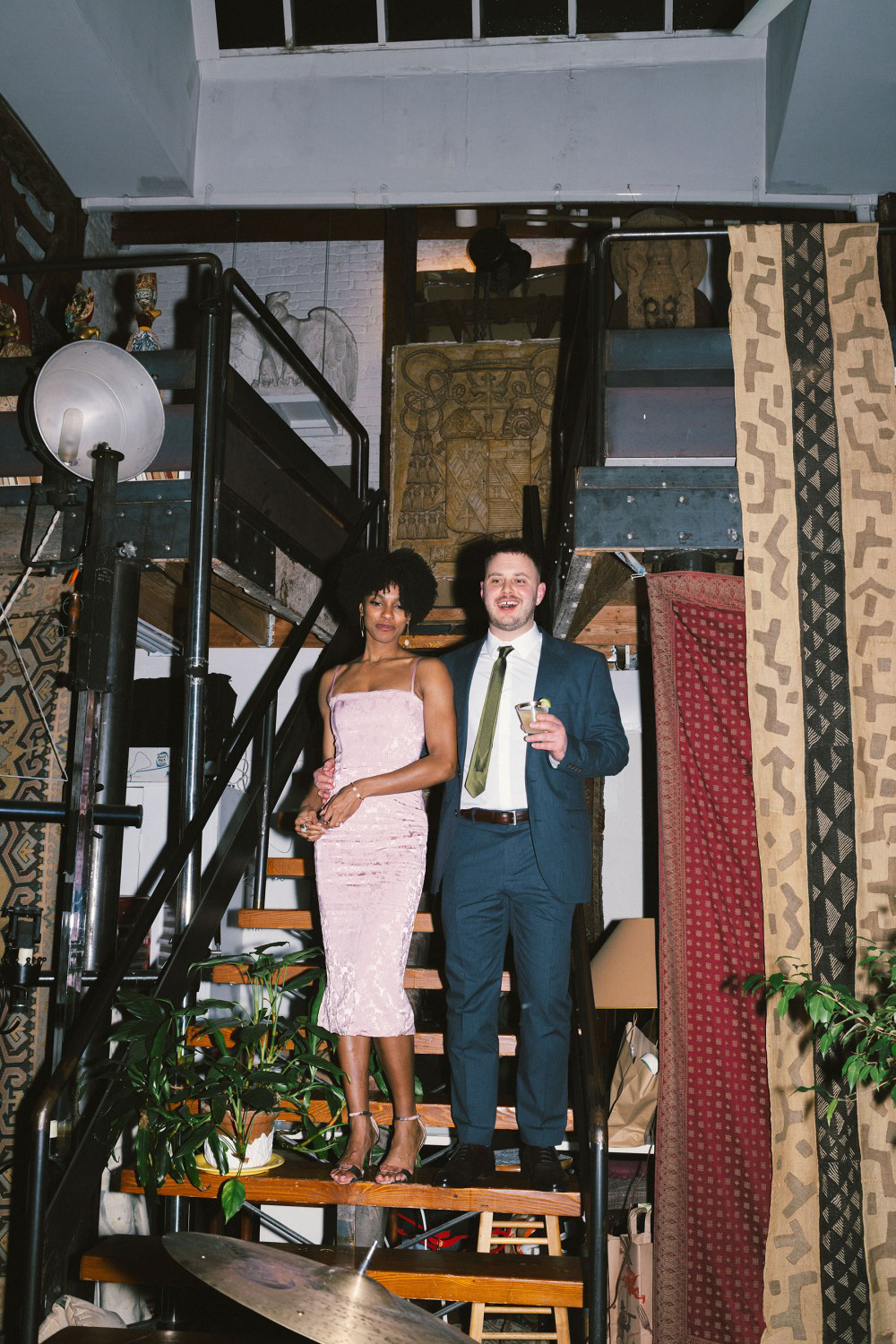
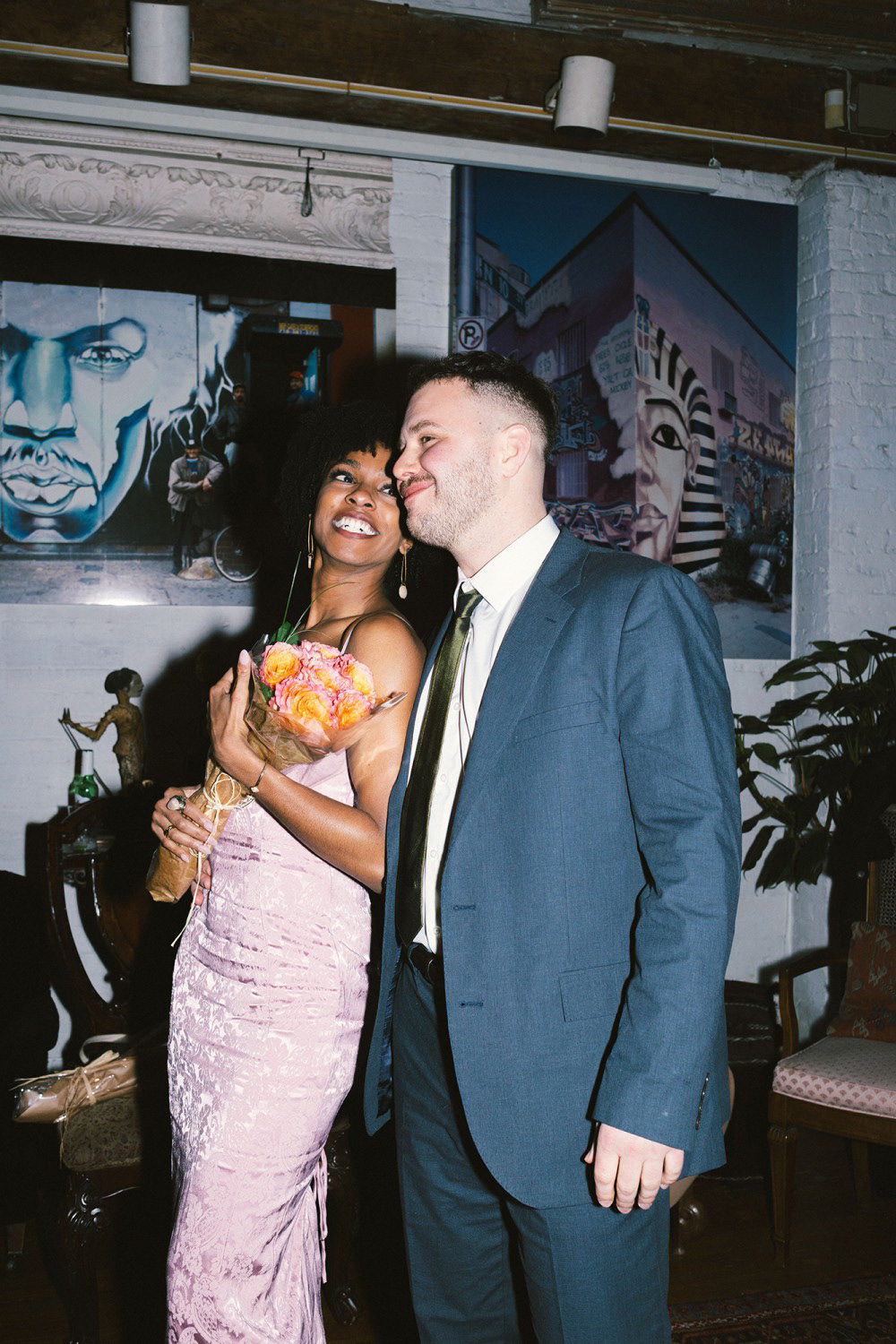
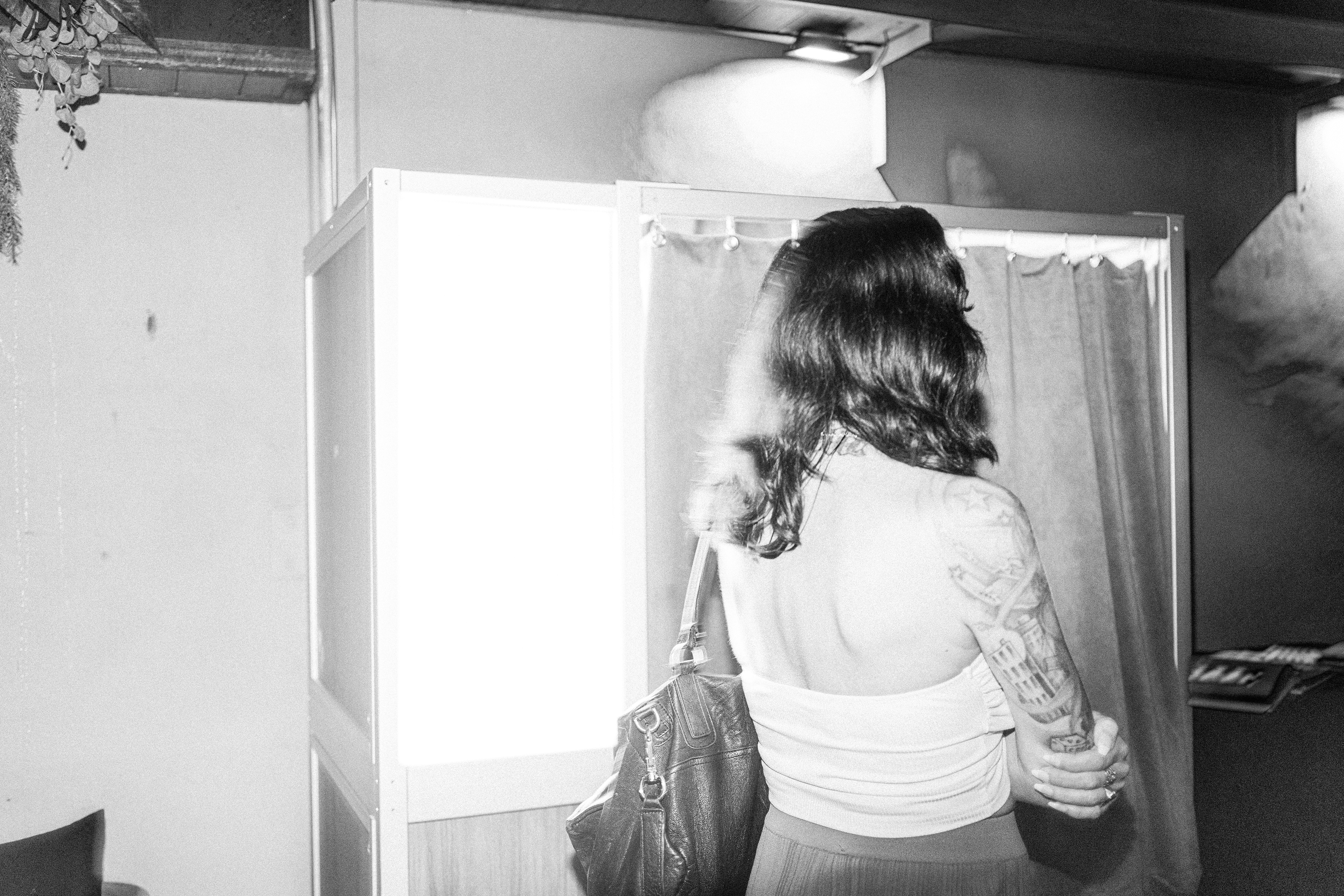
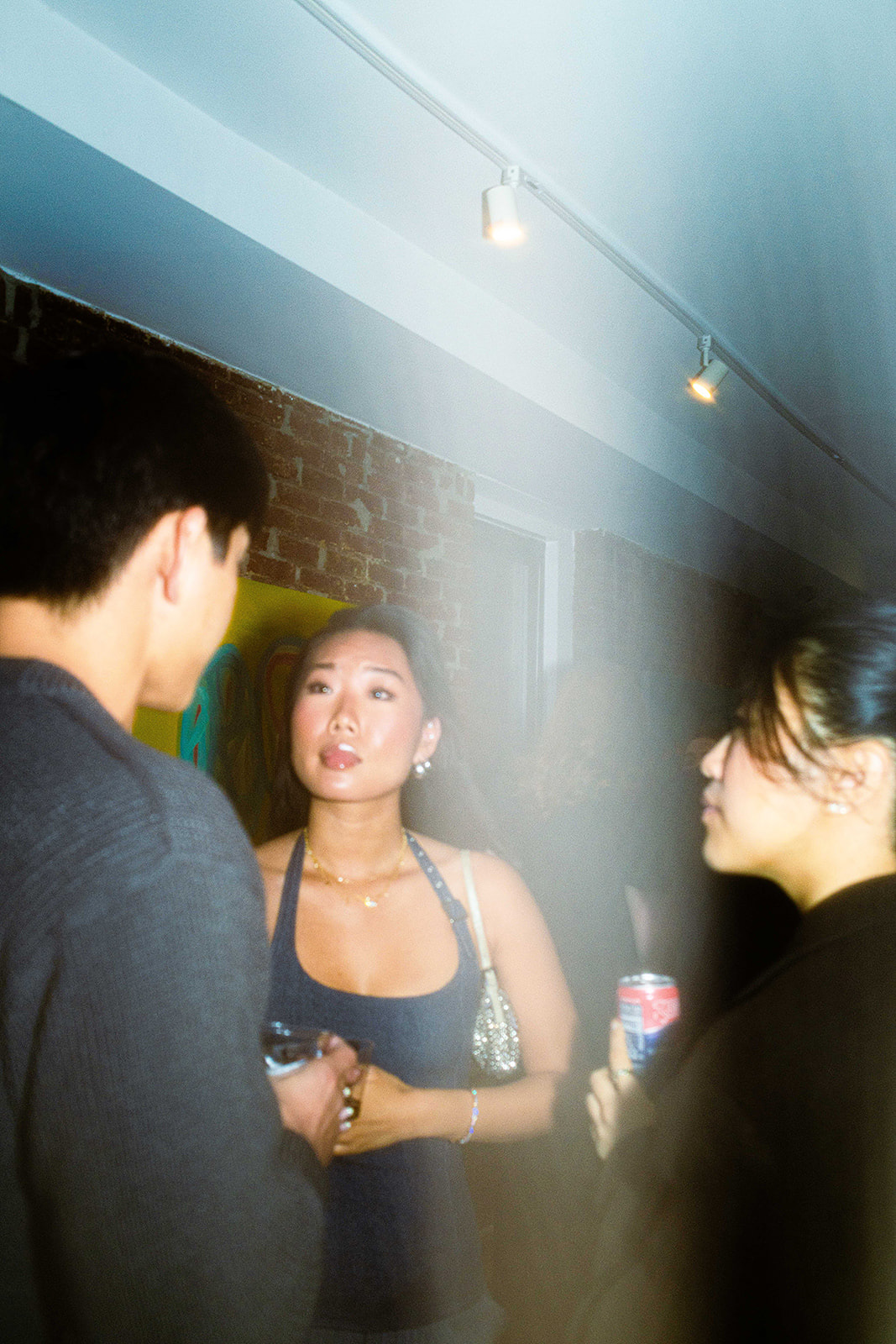
This one is underappreciated: Kodak Portra, the film stock I shoot most often, is extraordinarily flattering across a wide range of skin tones. It renders warmth naturally rather than adding it artificially, handles mixed lighting gracefully, and doesn't produce the harsh clinical contrast that party photography often suffers from under artificial light.
For events where your guests are the subject, this matters practically. People look like themselves in film photos, at their best, rather than looking like someone ran them through a filter. That's a meaningful difference when you're sending images to a hundred guests or publishing them to a brand's feed.
Film Content Also Performs Better!
When I deliver mixed digital and film galleries to event clients, the film images are consistently the ones that end up posted -- on brand feeds, in press coverage, in recap content. They read as intentional in a way that stands out in a scroll. There's a quality that signals the event was taken seriously from a visual standpoint, which reflects well on whoever hosted it.
For brands especially, this isn't a small thing. Event content that looks genuinely editorial has a different shelf life and a different reach than standard event documentation.
How I Actually Shoot It
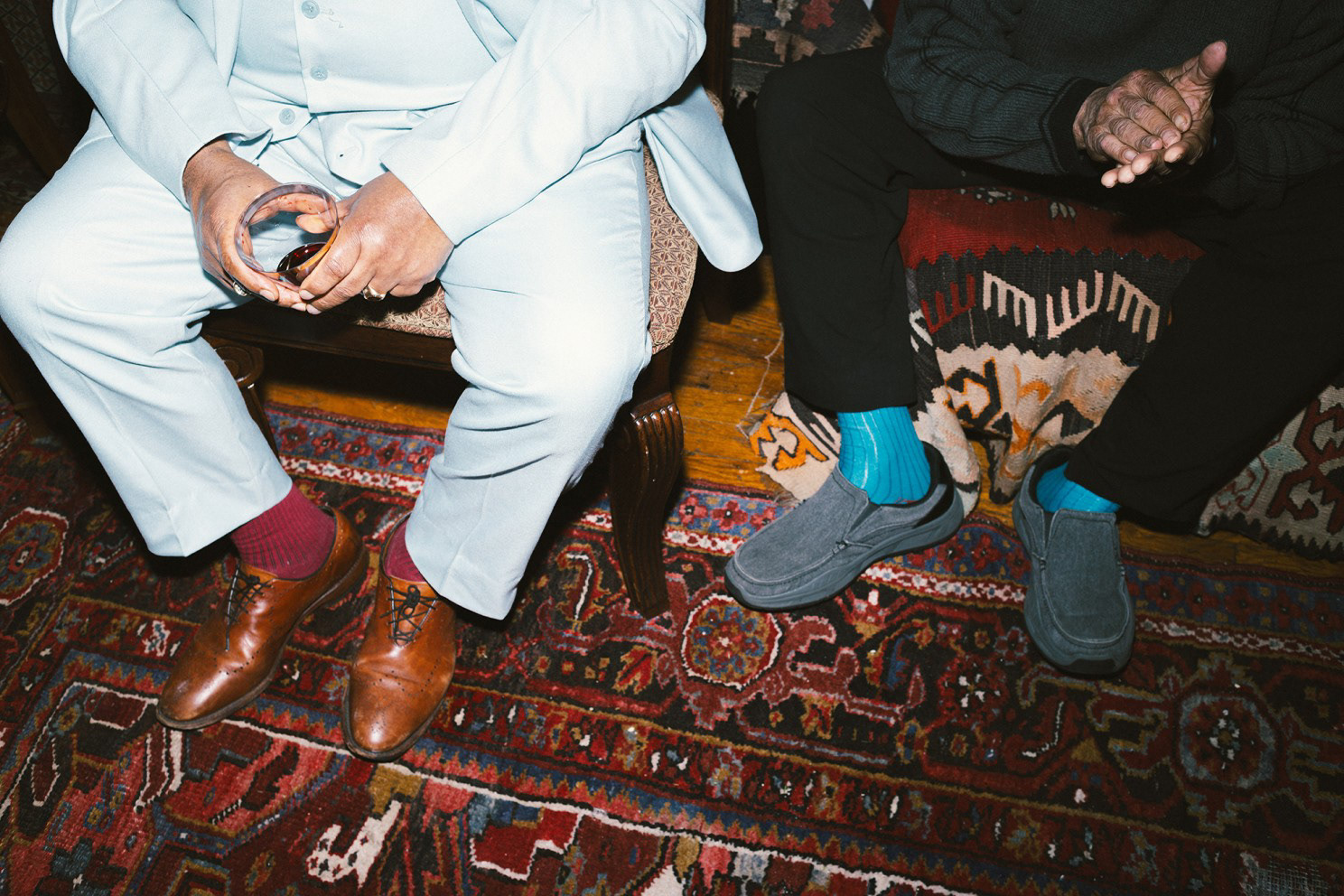
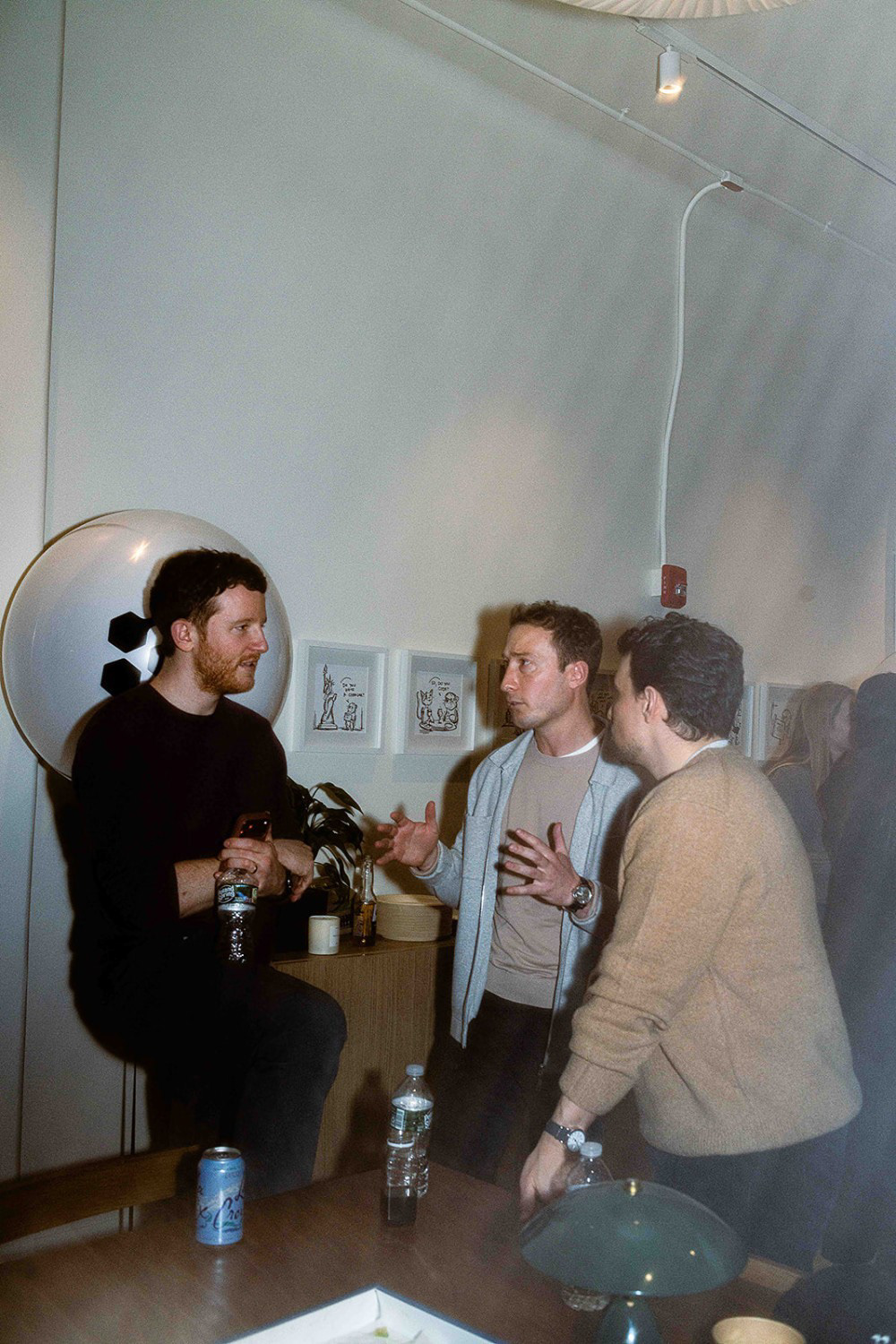
I recommend hybrid coverage for events: digital for comprehensive documentation of the full evening -- arrivals, crowd coverage, speeches, dancing, all the details,with film worked throughout for portraits, room shots, and key moments. You get the complete record plus a set of images that are genuinely elevated.
Going all-film for a wedding doesn't make logistical sense, you'd sacrifice coverage in low light, fast-moving reception moments, and anywhere you need the flexibility of shooting quickly. The approach that actually works is hybrid: digital for comprehensive documentary coverage of the full day, film worked in throughout for portraits, ceremony moments, and details.
The film images end up being the ones couples print, frame, and put in their albums. The digital gives you the complete story. Neither is a compromise of the other.
They work together rather than competing.
Who This Is For
I offer 35mm film add-ons for all NYC wedding packages. If you want images that will look as good in twenty years as they do now, and that feel genuinely different from the standard wedding photography you've seen a thousand times, that's what film is for.
-
I'm Lana, an NYC event photographer, and I shoot for clients who care about how their events look. If you're planning something in New York City and you want photography that's actually worth publishing, let's talk.